Your Implant Consultation Exam: What X-Rays Help Your Dentist Check

When you start researching dental implants in Garland, the first visit can feel like a black box: you know you will have an exam and X-rays, but you may not know what the dentist is actually measuring and why it matters. This article explains what an implant consultation is designed to confirm, what common dental X-rays can (and cannot) show, and how your health history, bite, and even past extractions in Garland can change the plan.
In our previous blog, "Replace a Tooth After Extraction: When to Wait," we discussed how timing after removal affects tooth replacement decisions. In this article, we focus on what your dentist is evaluating at the consultation, before a timeline is even discussed.
TL;DR - What The Implant Consult Confirms (Before Any Scheduling)
An implant consultation is a planning visit. The goal is to confirm that an implant is a safe option, and to design the most predictable path to a long-term result.
- Gums first: your dentist checks for inflammation, gum disease, and infection risk.
- Bone support: X-rays help estimate bone height and identify anatomy near the site.
- Bite and space: you need enough room for the final crown and a bite that will not overload it.
- Neighbor teeth: nearby roots, old dental work, and shifting can influence the plan.
- Sequencing: if an extraction or other treatment is needed, the consult helps choose the safest order.
What Happens at a Dental Implant Consultation (And Why It Matters)
A consultation is different from an implant "start to finish" appointment. It is where you and your dentist get clear on the problem you are solving (one missing tooth, multiple teeth, or denture stability), then confirm what your mouth can support right now and what needs attention first.
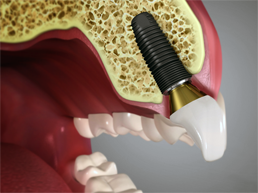
If you want a deeper overview of options and outcomes, our dental implants service page explains the basics of implants as a tooth replacement option.
Experience-Based Observation From Our Team
One thing we see often is that patients focus only on "Do I have enough bone?" while missing other issues that can affect results, like bite pressure from clenching or gum inflammation around neighboring teeth. A thorough consult connects all of those pieces so the final plan is realistic.
What the Exam Is Looking for for Dental Implants in Garland
1) Gum Health and Infection Control
Your gums are the protective seal around teeth and future implants. During the exam, your dentist checks for bleeding, swelling, deep gum pockets, and signs of infection. If an area needs treatment first, addressing it early can reduce complications later.
2) Bite Forces and How Your Teeth Fit Together
Implants are strong, but they are not "self-protecting." Natural teeth have ligaments that provide feedback when you bite. An implant does not have the same sensation, so planning bite and contact points matters. Your dentist checks how you chew, whether you grind or clench, and whether the missing-tooth area is taking abnormal pressure.
3) Space Planning for the Final Tooth (Not Just the Implant)
The implant is only one part of the solution. You also need enough room for the final crown (or implant-supported restoration) to look natural and be easy to clean. If nearby teeth have drifted or tilted, spacing may need to be addressed as part of the plan.
4) The Condition of Nearby Teeth and Previous Dental Work
Your dentist evaluates the teeth on both sides of the gap. Large fillings, crowns, gum recession, or root issues can affect the design of the replacement and your overall treatment sequence.
5) Health History and Healing Factors
A safe implant plan considers healing. Expect questions about medications, smoking, chronic conditions, and past dental complications. This is also a good time to share dental anxiety concerns so your comfort options can be discussed.
If you are still deciding on a dentist near you for comprehensive care, our dentist in Garland page offers an overview of what our office provides.
What Dental X-Rays Are Looking for in Implant Planning
X-rays help your dentist see what the eyes cannot: bone levels, root positions, and anatomy around the proposed implant site. Imaging also helps confirm whether symptoms are related to nearby teeth or hidden infection.
Key Things X-Rays Can Help Evaluate
- Bone height and shape where the implant may go
- Spacing near neighboring roots so the implant can be positioned safely
- Signs of infection around teeth or old extraction sites
- Sinus and nerve region proximity (important anatomy varies by location in the mouth)
- Overall oral health context that influences sequencing and stability
What X-Rays Cannot Do by Themselves
- Guarantee that an implant is right for you without a full exam and health history review
- Predict exact healing time for every patient
- Replace an in-person evaluation of gum health, bite, and cleaning access
If you have had a previous extraction, imaging is especially helpful for confirming how the area healed and whether anything needs attention before planning the replacement.
How Extractions Can Change the Implant Plan
Not every implant plan starts with a missing tooth. Sometimes the consult begins with a tooth that cannot be saved, and the next question is what to do after removal. That is where the "sequence" matters.
Common Decision Points Your Dentist May Discuss
- Is there active infection? That can influence whether replacement planning needs additional healing time.
- How stable is the surrounding bone? This affects the next-step options discussed at the consult.
- What will you use in the meantime? A temporary option may be important for appearance and chewing.
If you are currently dealing with a tooth that may need removal, our extractions page covers what extraction care and aftercare typically involve.
Questions to Ask at Your Implant Consultation
A good consultation leaves you with clarity, not more confusion. Consider asking:
- What are the biggest factors in my case that affect implant success long term?
- Do I have enough space for a natural-looking crown, and will it be easy to clean?
- Is my bite putting extra pressure on the area?
- If an extraction is needed, what is the safest order of steps to replace the tooth?
- What alternatives should I consider if implants are not the best fit?
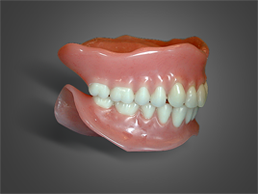
For patients comparing options, our blog Implants vs. Dentures vs. Bridges in Garland walks through practical differences in a decision-friendly way.
Serving Garland and Nearby Communities
Many patients who search for dental implants are also comparing offices across nearby areas, including Richardson, Rowlett, and Wylie. If you are coming from a neighboring community, the most helpful thing you can do is schedule a consult with enough time to review imaging, answer questions, and discuss a plan that fits your priorities.
You can also see the communities we serve on our Areas We Serve page.
FAQs
Related Reading
Conclusion: A Clear Consult Leads to a Safer, More Predictable Plan
The exam and X-rays at an implant consultation are not just a formality. They are how your dentist confirms gum health, bone support, bite forces, and spacing, so your tooth replacement plan is built on real measurements, not assumptions.
If you are considering implants and want a clear, conservative plan, Dr. Hooman Lohrasbi and our team at Parkway Dental Care and Orthodontics can guide you through what your imaging shows and what it means for your next step.
To schedule a consultation, call 972-495-5000.