Dental Implants vs. Dentures vs. Bridges: A Garland Decision Framework
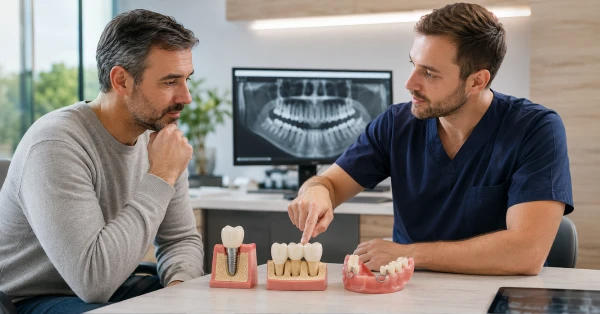
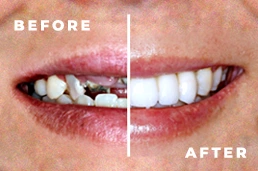
Choosing how to replace missing teeth is not just a cosmetic decision. It affects how you chew, how you clean, and what happens to the teeth (and bone) around the gap over time. If you are researching dental implants in Garland, you have probably also seen dentures and bridges as alternatives. This guide explains how many patients weigh implants vs. dentures vs. bridges, including what changes after a tooth extraction.
In our previous blog, "Healing After a Tooth Extraction: Food Timeline + Signs," we discussed what recovery can look like and what to watch for after a tooth is removed. In this article, we focus on what comes next: how to choose the right replacement.
TL;DR - How To Pick the Right Tooth Replacement
The best choice depends on how many teeth are missing, the health of nearby teeth, your comfort priorities, and whether you want something removable or fixed. Here is the practical framework we use to guide the conversation.
- Want the most tooth-like feel? Many patients lean toward implants because they are fixed and do not rely on clasps or adhesives.
- Need a removable option or replacing many teeth? Dentures can be a strong solution, and some can be supported by implants for added stability.
- Missing a tooth with healthy neighbors? A bridge can be effective, but it typically involves restoring the adjacent teeth.
- Just had (or need) an extraction? Timing and bone support matter for your final plan.
- Best next step: Get an exam and imaging so the plan fits your mouth, not a generic checklist.
Start With Your Goal: Fixed vs. Removable
Patients often decide faster once they answer one question: do you want a tooth replacement that stays in place, or one you remove to clean? Implants and bridges are generally fixed solutions, while dentures are removable. Each has tradeoffs in feel, cleaning, and how they handle chewing forces.
One experience our team sees regularly is that people come in convinced they "have to" pick the option their friend chose. After we talk through lifestyle and comfort goals, many patients realize their priorities are different, and the best solution changes with them.
Dental Implants in Garland: When They Are Often the Best Fit
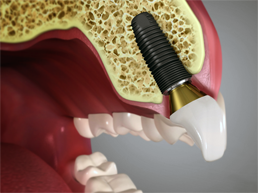
Dental implants replace the root structure as well as the visible tooth. That is why many patients consider implants when they want the closest match to natural chewing and a solution that does not depend on removable hardware. You can learn the basics and treatment overview on our dental implants page.
Implants May Be a Strong Choice If You:
- Want a fixed solution for a single missing tooth (or multiple teeth) without relying on removable appliances
- Prefer a replacement that is cleaned similarly to natural teeth (brush and floss routine, plus professional cleanings)
- Want to avoid placing extra load on neighboring teeth for support
- Are concerned about long-term changes that can occur when a gap remains open
Things to Know Before You Decide
- Planning matters: gum health, bite forces, and bone support influence whether an implant is recommended and what steps come first.
- Timeline varies: healing needs after extraction and other factors can affect the overall timeline.
- Maintenance is real: implants can last a long time, but they still require consistent home care and recall visits.
Dentures in Garland: When a Removable Option Makes Sense
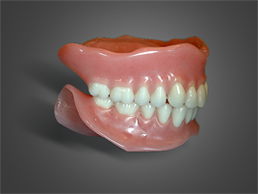
Dentures remain a proven option for replacing many missing teeth. For some patients, removable dentures are the most practical starting point, especially when multiple teeth are missing or budget and flexibility are key. If you are comparing styles, materials, and what to expect, see our dentures page.
Dentures May Be a Strong Choice If You:
- Are missing many teeth and want a comprehensive replacement option
- Prefer a removable appliance you can take out to clean
- Need an approach that can be adjusted over time as your mouth changes
Common Concerns (And How They Are Usually Addressed)
- Movement while eating: fit, bite adjustment, and follow-up visits are important, and some patients explore implant support for added stability.
- Comfort and bulk: the design and proper fit help, and it can take an adaptation period.
- Chewing limits: most patients can eat well with dentures, but hard or sticky foods may be more challenging than with fixed options.
Dental Bridges: When a Bridge Is the Practical Middle Ground
A dental bridge can replace one or more missing teeth by using neighboring teeth for support. It is often considered when a patient wants a fixed option but is not a fit for implants or prefers not to pursue implant placement. For a deeper look at bridge restorations, visit our crowns and bridges page.
Bridges May Be a Strong Choice If You:
- Have healthy teeth on both sides of the gap that can support a bridge (or teeth that already need crowns)
- Want a fixed solution that does not come out like a denture
- Prefer a plan that may be completed without implant integration time (case-dependent)
Tradeoffs to Consider
- Impact on nearby teeth: bridges typically involve restoring adjacent teeth for support.
- Cleaning routine: you will need a specific technique to clean under the bridge, not just regular flossing.
- Future changes: if a supporting tooth develops a problem later, it can affect the bridge.
What Changes After an Extraction?
If you recently had a tooth removed, the replacement decision includes timing, healing, and how the surrounding bone and gum tissue are doing. When you are considering extractions in Garland or planning what to do after a tooth is removed, our extractions page outlines the basics and aftercare.
Key Decision Points After a Tooth Is Removed
- Is there infection or inflammation? This can affect the sequence and timing of replacement.
- How stable is the bite? Bite forces and spacing influence whether an implant, bridge, or denture is more appropriate.
- How many teeth are missing now (and likely soon)? This can shift the best choice toward a partial denture, full denture, or a different restorative plan.
A Simple Comparison: How Patients Often Decide
Comfort and Chewing Confidence
- Implants: fixed feel for many patients, often closest to natural chewing.
- Bridges: fixed feel, but comfort depends on bite and restoration design.
- Dentures: removable; comfort improves with fit, adjustments, and adaptation.
Effect on Nearby Teeth
- Implants: typically do not require using adjacent teeth for support.
- Bridges: usually depend on neighboring teeth to hold the replacement.
- Dentures: may use clasps (partials) or rely on gum support (full dentures).
Cleaning and Long-Term Maintenance
- Implants: daily home care is essential, plus routine dental visits.
- Bridges: special cleaning under/around the bridge is important.
- Dentures: remove to clean; regular checks help maintain fit and oral tissue health.
Questions To Ask at Your Consultation
Use these questions to keep your visit focused and make sure you understand the tradeoffs for your mouth and your goals:
- Based on my bite and gum health, which option is safest and most predictable?
- Do I have enough bone support for an implant right now, or would you recommend a different sequence?
- How will this option affect the teeth next to the gap over time?
- What will cleaning look like day to day, and what tools will I need?
- If I choose dentures now, can I still consider implant support later?
If you are also looking for a general provider to coordinate preventive care and restorative planning, you can learn more about scheduling with our Garland dental team.
FAQs
Related Reading
Conclusion: Choose the Option That Protects Your Long-Term Oral Health
Implants, dentures, and bridges can all be excellent solutions when they match the condition of your mouth and your daily-life priorities. The most reliable way to decide is to evaluate gum health, bite forces, spacing, and (when relevant) what has changed since an extraction.
Dr. Hooman Lohrasbi and our team at Parkway Dental Care and Orthodontics can help you compare your options and build a clear plan for replacing missing teeth. To schedule a consultation, call 972-495-5000.
If you want to start by learning more about implant options before your visit, our dental implant overview is available on the dental implants service page.