Am I a Candidate for Dental Implants After Years?

If you have been missing one or more teeth for years, it is normal to wonder if you missed your window for implants. The good news is that many adults can still qualify for implants, even after a long gap, as long as we plan around bone, gums, and overall health. This article is a candid, patient-friendly guide to how we evaluate dental implants in Garland so you can take the next step with realistic expectations.
In our previous blog, "Are These the Signs You Need to See a Dentist Near You in Garland?," we discussed warning signs that mean it is time to schedule an exam. In this article, we focus on one of the most common next questions: "Am I a candidate for implants?"
TL;DR - A Quick Candidacy Checklist for Implants
For most patients, implant candidacy comes down to healthy gums, enough bone (or a plan to improve it), and a health history that supports healing. A consultation is the only way to know for sure, but here is what typically matters most.
- Gum health: infection and untreated gum disease usually need treatment first.
- Bone support: long-term missing teeth can reduce bone, but solutions may exist.
- Healing factors: smoking and uncontrolled medical issues can raise risk.
- Good hygiene habits: implants need daily care like natural teeth.
- Clear plan: an exam and X-rays determine whether implants, dentures, or bridges fit best.
Why Missing Teeth for Years Changes the Plan (But Not Always the Outcome)
When a tooth is missing, the jawbone in that area no longer gets the same stimulation from chewing. Over time, it is common for bone volume to shrink, and neighboring teeth may drift or tilt. That is why waiting can make the planning phase more important, not necessarily impossible.
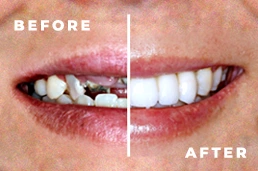
One experience we see often in our office is that patients who have avoided replacement for years assume they are automatically disqualified. After imaging and a thorough exam, many find they still have a workable path forward, sometimes with a few preparatory steps first.
What Your Dentist Looks for When Evaluating Dental Implants in Garland
-
Healthy Gums and a Low-Infection Environment
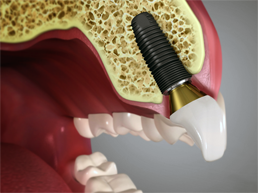
Implants are placed into bone, but the gums are the seal that helps protect them. If there is active gum disease, persistent inflammation, or infection around nearby teeth, we typically recommend addressing it before implant placement.
If you are looking for a dentist in Garland who can evaluate gum health and missing-tooth options in one place, a comprehensive exam is the right starting point.
-
Bone Quantity and Bone Quality
Bone is not just about "how much" exists, but also how stable and healthy it is. After years of missing teeth, the ridge may be narrower or shorter than it used to be. Imaging helps us assess whether an implant can be supported safely and predictably.
-
Your Bite, Spacing, and Neighboring Teeth
Implant planning includes the final tooth, not just the implant post. We consider bite forces, the position of nearby teeth, and the space available for a crown or implant-supported restoration. If adjacent teeth have shifted, your plan may include orthodontic or restorative steps to create proper spacing.
-
Health History and Healing Considerations
Many medical conditions do not automatically rule out implants, but they can affect healing and long-term stability. We review medications, systemic health, and any past complications with dental treatment to tailor a safe plan.
-
Daily Home Care and Long-Term Maintenance Readiness
Implants can feel like natural teeth, but they still require daily brushing, flossing, and professional cleanings. Patients who commit to consistent care are typically better candidates for implants and for long-term success.
If dental anxiety is what has kept you away, our sedation dentistry options may help you feel more comfortable completing treatment and follow-up care.
Common Concerns Patients Have (And What They Usually Mean)
"I was told I do not have enough bone."
This is one of the most common reasons patients think implants are off the table. Bone levels do matter, but the next step is to confirm what "not enough" means in your specific case and whether your anatomy supports options. An in-person evaluation with imaging is the only reliable way to determine what is possible.
"I have gum problems. Does that mean no implants?"
Gum disease is a planning issue, not always a permanent disqualifier. Often, the right sequence is to treat inflammation first, stabilize the gums, then revisit implant planning with clearer, healthier conditions.
"I am older. Am I too old for implants?"
Age by itself is usually less important than overall health, bone support, and the ability to heal. Many older adults explore implants to improve chewing comfort and denture stability.
"I want the most natural-looking replacement."
Implants are popular because they replace both the root and the visible tooth. If you want a single-tooth replacement that does not rely on neighboring teeth, implants are often part of that conversation. You can review the basics on our dental implants service page.
What to Expect at Your Implant Evaluation
A candidacy visit is designed to answer two questions: (1) Is an implant safe and appropriate for you? and (2) What is the most sensible sequence to get you to a stable, comfortable smile? In most cases, the visit includes:
- Review of your health history and goals
- Exam of your gums, bite, and the missing-tooth area
- Dental imaging (such as X-rays) to evaluate bone and anatomy
- A clear discussion of options: implants, bridges, or dentures
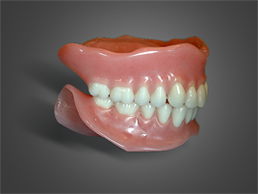
If you are comparing replacement options beyond implants, you can also explore our dentures options as part of an informed decision.
FAQs
Related Reading
Next Step: Get a Clear, Personalized Answer
Online checklists can help you understand what matters, but candidacy is individual. Dr. Hooman Lohrasbi and our team at Parkway Dental Care and Orthodontics can evaluate your gums, bone support, and goals to determine whether dental implants are the best solution and what steps (if any) should come first.
If you are searching for a dentist near you in Garland to discuss missing teeth and implant options, call us at 972-495-5000 to schedule a consultation.