Dental Implants After a Tooth Extraction: Replace Now or Wait?
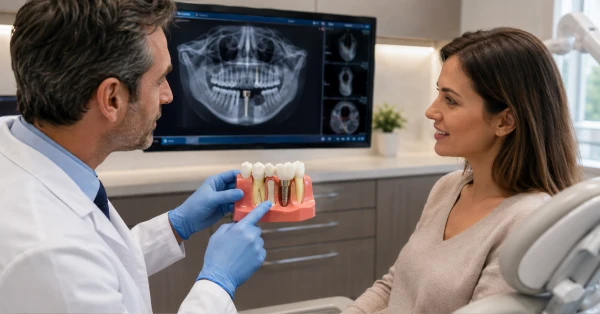
After a tooth extraction, many patients ask the same practical question: "How soon should I replace the tooth?" If you are considering dental implants in Garland, the best timing depends on a few key clinical decision points, not a one-size-fits-all timeline.
In our previous blog, "Healing After a Tooth Extraction: Food Timeline + Signs," we discussed what to eat, what to avoid, and what symptoms to watch for while you heal. In this article, we focus on what comes next: how to decide whether to replace a tooth right away or wait.
TL;DR - Replace the Tooth When the Site Is Healthy and Stable
You can usually start planning right after an extraction, but implant placement timing depends on infection status, gum healing, bone support, and your bite. A consultation helps you avoid rushing into the wrong sequence.
- Plan early: an exam and imaging help preserve options, even if you ultimately wait.
- Do not ignore infection: active infection or swelling may mean delaying placement.
- Bone matters: changes can begin soon after extraction, so timing affects the foundation.
- Keep the space protected: temporary tooth options may help prevent shifting.
- Emergency extraction is not the end: you can often replace the tooth with an implant once the area is stable.
Why Timing Matters After Extractions in Garland
When a tooth is removed, the body begins healing right away. During that healing, the gum tissue closes and the bone in the area can remodel. From a tooth-replacement perspective, timing matters because it affects:
- Bone shape and volume that may support an implant
- Gum contours that influence how natural the final crown looks
- Space and bite, because nearby teeth can drift over time
One clinical observation our team sees often is that patients who wait a long time to replace a missing tooth sometimes return with new concerns, like shifting teeth or food trapping in the gap, which can make the plan more complex than it needed to be.
Decision Points: When a Tooth Can Be Replaced Sooner vs. When to Wait
1) Infection or Swelling at the Time of Extraction
If the tooth was removed because of a significant infection (or there is lingering swelling or drainage), the priority is getting the area healthy and calm. In those situations, your dentist may recommend a healing period before placing an implant.
2) Bone Support and the Shape of the Extraction Site
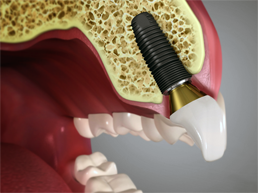
Dental implants rely on bone support. After an extraction, the bone can change as it heals, and the amount of support available varies from person to person. Imaging helps determine whether the site looks stable for an implant now or whether it is better to wait.
3) Gum Tissue Health and How the Final Tooth Should Look
Especially for visible teeth, healthy gum architecture can affect the final aesthetic outcome. Sometimes waiting allows the gums to mature, which can help with planning the final crown shape and how it sits at the gumline.
4) Your Bite, Chewing Forces, and Risk of Overloading the Area
Implant planning considers how forces land when you chew and whether your bite could stress the area during healing. If the missing tooth space is in a high-force area, your plan may prioritize protection and a stable sequence.
5) Your Schedule and Comfort Needs (Including Dental Anxiety)
Timing is also practical. If you are nervous about procedures or have avoided treatment in the past, comfort-focused options may help you complete care more smoothly. For some patients, discussing sedation dentistry options is a helpful part of the planning conversation.
What You Can Do Right After an Extraction (Even If You Are Not Ready Yet)
You do not have to commit to an implant the day your tooth comes out. However, a smart next step is to schedule a tooth-replacement consult while details are fresh and the site is healing. That visit can help you:
- Understand whether the area looks suitable for implant planning
- Learn how long you may want to wait based on your specific site and health history
- Discuss temporary tooth options so the gap does not disrupt daily life
- Compare alternatives if implants are not the best fit for your timeline
If you want to review the fundamentals before your visit, our dental patient education page is a useful place to start.
Temporary Tooth Options While You Wait
A temporary solution can keep you comfortable and confident while the extraction site heals and you plan for a long-term replacement. Depending on the tooth location, your bite, and your goals, temporary options may include:
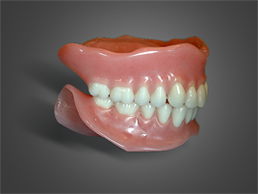
- Removable temporary tooth (often a simple, short-term cosmetic option)
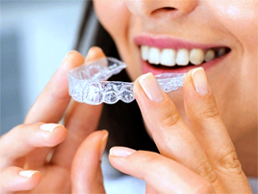
- Retainer-style replacement that can help maintain the space in select cases
- Other interim solutions your dentist may recommend based on bite forces and aesthetics
If you decide implants are not the best match, you can also compare fixed and removable replacements on our crowns and bridges page.
When an Extraction Was an Emergency: How Implant Planning Fits In
Sometimes the tooth removal happens fast, such as a severe toothache, swelling, or a cracked tooth. In those cases, you may have started with urgent care and are now thinking about a longer-term solution.
If you are still having severe pain, facial swelling, or a bad taste or drainage, start with evaluation and relief through emergency dentistry. Once the area is healthy and stable, an implant consultation can determine next steps.
What to Expect at Your Implant Consultation
A consultation is about clarity. Dr. Hooman Lohrasbi and our team review your health history, evaluate the extraction area, and discuss your goals. The result should be a plan that answers:
- Is an implant a reasonable option for the missing tooth?
- If yes, is the site ready now, or is it smarter to wait?
- What should you use temporarily so the space does not create new problems?
If you are also looking for a long-term plan that fits your overall oral health, our restorative dentistry page covers additional ways we rebuild smiles after damage or tooth loss.
FAQs
Related Reading
Next Step: Get a Clear Timeline for Your Mouth, Not a Generic One
The right time to replace a tooth depends on what is happening under the surface. If you recently had a tooth removed and want a long-term replacement, our team can evaluate the site and explain your options with realistic expectations.
To discuss dental implants and next steps, call Parkway Dental Care and Orthodontics at 972-495-5000.