Emergency Dentist or ER? A Garland Guide for Tooth Pain, Swelling, and Broken Teeth
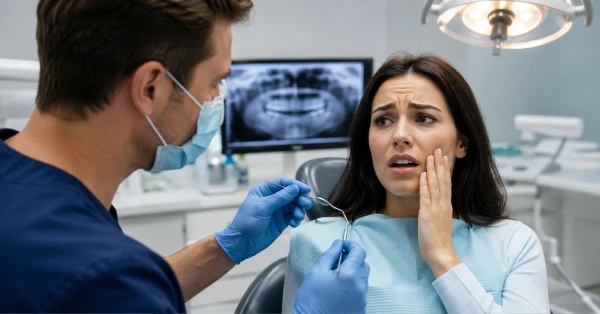
When sudden tooth pain hits, swelling shows up, or a tooth breaks, the hardest part is often deciding where to go first. This guide is designed to help you choose between the ER and emergency dentistry in Garland, so you can get the right kind of care quickly and safely.
In our previous blog, "Tooth Pain First Aid: When to Call an Emergency Dentist," we covered immediate first steps you can take at home. In this article, we focus on the next decision: emergency dentist or ER.
TL;DR - ER vs. Emergency Dentist: The Fast Triage
If you have breathing/swallowing issues, uncontrolled bleeding, serious trauma, or rapidly spreading facial swelling, the ER is the safest first stop. If the issue is mainly tooth pain, a broken tooth, or localized swelling, an emergency dentist near you can usually diagnose the cause and treat it more directly.
- Go to the ER now for trouble breathing/swallowing, major facial swelling, uncontrolled bleeding, or head/jaw trauma.
- Call an emergency dentist for severe toothache, broken/cracked teeth, lost fillings/crowns with pain, or a knocked-out tooth.
- Swelling + fever is urgent. If swelling is spreading or affecting your throat, choose the ER first.
- Bring helpful info (med list, allergies, what happened, and when symptoms started) to speed up care.
- Possible urgent treatments include stabilizing a tooth, treating infection sources, or tooth extraction when needed.
When the ER Is the Right Choice (Red Flags)
Emergency rooms are best for medical emergencies that may involve your airway, significant bleeding, or major trauma. If you are unsure and symptoms feel severe or are worsening quickly, err on the side of safety.
Go to the ER if you have:
- Trouble breathing or swallowing, or swelling that feels like it is moving toward the throat
- Rapidly worsening facial swelling, especially around the eyes, jawline, or neck
- Uncontrolled bleeding that does not slow with firm pressure
- Fever plus significant swelling, weakness, or feeling very ill
- Serious injury (car accident, sports injury) with jaw pain, inability to open normally, or suspected fracture
The ER can help stabilize pain, address systemic infection concerns, and evaluate serious injuries. After you are medically stable, a dentist typically handles the tooth-specific diagnosis and definitive treatment.
When an Emergency Dentist Is Usually the Better First Stop
For most dental problems, the fastest path to relief is dental diagnosis and treatment, not just pain control. A dental team can identify the source (crack, infection, decay, bite issue, failed restoration) and recommend the most appropriate fix.
Call an emergency dentist near you for:
- Severe toothache that lingers, throbs, or wakes you up
- Broken, cracked, or chipped tooth, especially if it is painful or sharp
- Swollen gums or a pimple-like bump on the gums (possible abscess)
- Knocked-out or loose tooth after an accident (time matters)
- Lost filling or crown that causes intense sensitivity or pain
If you are comparing where to start, our emergency dental care page explains common dental emergencies and when to call.
A Symptom-by-Symptom Garland Guide
1) Tooth pain: sharp, throbbing, or constant
Tooth pain can come from deep decay, a crack, gum infection, or inflammation inside the tooth. If you do not have ER red flags, an emergency dental visit is usually the most direct way to find the cause and stop the cycle of pain.
2) Swelling: gum swelling vs. facial swelling
Localized gum swelling often points to a tooth or gum infection that needs dental care. Facial swelling that is spreading, especially with fever or feeling ill, can become a medical emergency and may require the ER first.
3) Broken tooth: small chip vs. big fracture
Small chips can sometimes wait briefly, but larger breaks can expose sensitive inner tooth layers and raise infection risk. Rinse gently, avoid chewing on that side, and schedule urgent evaluation if the tooth is painful or the break is significant.
4) Knocked-out tooth: treat it like a time-sensitive emergency
If a tooth is knocked out, call immediately. Handle it carefully (avoid touching the root), and try to keep it moist while you seek care. Even when re-implantation is not possible, quick dental care helps prevent additional complications.
5) When an extraction becomes the safest solution
In some emergencies, saving the tooth is not possible or not the safest option. When infection, severe damage, or non-restorable decay is present, removing the tooth may be recommended to control pain and reduce infection risk.
If you want to understand what urgent tooth removal can involve, our extractions service page explains signs, treatment, and aftercare for tooth extraction in Garland.
What to Do While You Wait for Care (Safe, Practical Steps)
- Rinse gently with warm salt water (do not aggressively swish if you are bleeding).
- Use a cold compress on the outside of the face for swelling (10 minutes on, 10 minutes off).
- Avoid chewing on the painful side and skip very hot/cold foods if you are sensitive.
- Protect sharp edges by covering them if they are cutting your cheek or tongue.
- Do not place aspirin against the gums or tooth, it can burn tissue.
One clinical pattern our team often sees is that patients wait too long because the pain comes and goes. Intermittent pain can still signal a problem that is worsening, so it is worth getting evaluated before it becomes a bigger emergency.
What to Bring (So the Visit Goes Faster)
- A list of medications and any allergies
- Notes on when symptoms started and what triggers pain
- Details of the injury (if trauma caused the problem)
- Any broken tooth pieces you can safely bring in a clean container
How Emergency Dental Care May Progress
Emergency visits focus on two priorities: (1) identifying the cause and (2) reducing pain and risk. Depending on what we find, your treatment may include stabilizing a tooth, addressing infection, repairing a break, or planning the next step for long-term durability.
If you are searching for a dentist in Garland who can evaluate urgent symptoms and also help with ongoing care, a focused emergency exam can be a good starting point.
FAQs
Related Reading
Need Help Deciding? Call for Guidance
If you are in pain and unsure whether you need the ER or an emergency dentist, a quick call can help you choose the safest next step. Dr. Hooman Lohrasbi and our team at Parkway Dental Care and Orthodontics are here to help you get clarity and relief.
If you are searching for a dentist near you in Garland for urgent care, call 972-495-5000.