Do You Really Need a Tooth Pulled? Signs, Options, and Next Steps

If you are searching for Extractions Garland, you are probably trying to answer a stressful question before you call: is a tooth extraction truly necessary, or can the tooth still be saved? The truth is that a recommendation to remove a tooth is usually based on a few clear clinical decision points: how much healthy tooth is left, whether the root and surrounding bone are stable, and whether an infection or fracture makes long-term success unlikely.
At Parkway Dental Care and Orthodontics, Dr. Hooman Lohrasbi focuses on conservative, minimally invasive dentistry whenever it is safe to do so. That means we typically look for tooth-saving options first, then recommend extraction when it is the most predictable way to protect your long-term oral health.
In our previous blog, "Dry Socket Mistakes to Avoid After Tooth Extraction", we discussed how to protect healing after a tooth is removed. In this article, we focus on the step before that: how dentists decide whether removal is necessary and what might save the tooth.
TL;DR - The Fast Way to Know If a Tooth Might Be Saved
Most extraction decisions come down to structure, infection, and support. If the tooth can be restored to a stable shape and the root and bone are healthy enough, saving it may be an option.
- Extraction is more likely when the tooth is cracked below the gumline or too broken down to restore.
- Tooth-saving care may work for deep decay or infection when the tooth is still structurally restorable.
- Swelling, fever, or trauma can make it an urgent decision and may require emergency dental evaluation.
- Rowlett, Wylie, and Richardson patients often face the same choice: stabilize pain now, then pick the best long-term plan.
- Get an exam and X-rays so the recommendation is based on your tooth, not a guess.
Why a Dentist Might Recommend Extractions in Garland
A dentist usually recommends extraction when keeping the tooth would likely lead to repeated infections, ongoing pain, or a restoration that cannot be stabilized. In plain terms: if a tooth cannot be predictably restored and maintained, removing it can be the safest path forward.
Common Clinical Decision Points
- Not enough healthy tooth left: deep decay or old fractures leave too little structure to hold a filling or crown.
- Cracks that extend too far: a split tooth or a crack below the gumline can make long-term success unlikely.
- Repeat infection: recurring abscesses or infections that do not resolve predictably after treatment.
- Advanced gum or bone loss: when the tooth is loose because support is severely compromised.
- Severe crowding or eruption problems: certain situations (often with wisdom teeth) where removal protects nearby teeth.
If you would like a service overview, see our page on tooth extractions in Garland.
What Might Save the Tooth (Before You Commit to Extraction)
If the tooth is restorable, treatment may focus on removing decay or infection and rebuilding strength so you can chew comfortably again. The right option depends on the extent of damage and the health of the tooth's root and supporting bone.
1) A Filling or More Extensive Restorative Work
When decay is moderate and the tooth still has enough strong enamel and dentin, a restoration may be possible. If you want to understand how restorative options fit into a larger plan, our restorative dentistry page explains common treatments.
2) Root Canal Therapy (When Infection Is the Problem)
If the nerve is infected but the tooth can still be rebuilt, root canal therapy can remove the infected tissue and help preserve the natural tooth. This is a common alternative patients consider when weighing a save-versus-remove decision. You can read more on our root canal therapy page.
3) A Crown to Reinforce a Weakened Tooth
Sometimes the tooth can be saved, but only if it is protected from fracture going forward. A crown may be recommended to reinforce the remaining structure. If you are comparing repair options, our crowns and bridges page provides an overview.
One practical clinical observation our team sees often: when a tooth hurts on and off for weeks (especially with hot/cold sensitivity), patients sometimes assume the tooth is "done." In many cases, that tooth can still be saved if it is evaluated before a large portion breaks away.
When It Becomes an Emergency (And Waiting Can Change the Recommendation)
Some situations are time-sensitive. A tooth that might be saved early can become non-restorable if infection spreads, swelling increases, or the tooth fractures further.
Call for Emergency Dental Help If You Notice:
- Facial swelling or swelling that is getting worse
- Fever along with tooth pain
- Pus or a bad taste that suggests active infection
- Trauma that loosened a tooth or caused a significant crack
- Pain that prevents sleep or is escalating quickly
If you are unsure where to start, our emergency dentistry page outlines common urgent dental scenarios.
We see many patients who live in Rowlett, Wylie, and Richardson who start by searching for urgent guidance online. If you are stable but in significant pain, prompt dental evaluation can help you avoid last-minute decisions made under pressure.
Questions to Ask Before You Say Yes to an Extraction
Asking a few direct questions can help you understand the recommendation and feel confident about next steps.
- Is the tooth structurally restorable? (Not just treatable, but rebuildable.)
- Is there a crack, and if so, how far does it extend?
- Is infection limited to the tooth, or affecting bone/support?
- What is the predictable long-term outcome if we try to save it?
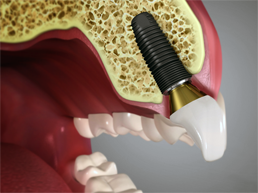
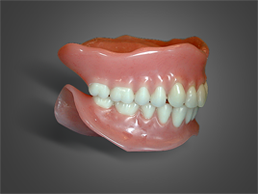
- If we remove it, what should replace it? (Implant, bridge, or denture.)
If replacement is part of the discussion, you can review tooth replacement basics on our dental implants page.
What to Expect at an Extraction Evaluation Appointment
An evaluation is designed to answer one main question: is saving the tooth realistic and stable, or is removal the safer choice? The visit typically includes an exam, imaging (such as X-rays), and a plain-language explanation of what the tooth needs to function again.
If You Are Trying to Find a Dentist Near You in Garland
When you are in pain, it is easy to search for a dentist near you in Garland and choose the first result. A better approach is to look for a practice that can diagnose the cause and offer multiple paths (saving the tooth when possible, extracting when necessary, and discussing replacement). Our dentist in Garland page shares an overview of services available in one office.
FAQs
Related Reading
Conclusion: Get a Clear Answer Before Pain Forces the Decision
Needing a tooth extraction is not a personal failure, and it is not always avoidable. But when you understand the decision points and your tooth-saving options, you can make a calmer, smarter plan. Whether you are in Garland or coming from nearby areas like Rowlett, Wylie, or Richardson, an exam is the fastest way to replace uncertainty with a clear recommendation.
If you are dealing with tooth pain, swelling, or a broken tooth and want guidance on whether an extraction is truly needed, call Parkway Dental Care and Orthodontics at 972-495-5000 to schedule an evaluation.